The work that lasts is the work no one sees.
The first cabin you walk into, you'll know nothing about the cable behind the panel. Five years on you might. Triton installs for that fifth year — for the technician who opens the rack at 2 am with a deadline, and for the captain who needs to find a fault before the guests arrive.
A panel that closes well opens well, too.
Cable craft is invisible until someone needs to find a fault, add a circuit, or replace a piece of equipment. We install so the next person on board — ours, or anyone else's — finds the system explained by the way it was built.
One cable. Six decisions between rack and room.
To the eye, a cable goes from a switch to a wall plate. In the wall, it tells a longer story — six small decisions, each made deliberately, each holding the system together for the next ten years.
Five years from now, this all has to make sense.
The captain who installed the system has moved on. The ETO is new. Someone needs to add a circuit, or trace a fault, or hand the yacht over. If the install was done well, the system explains itself. If it wasn't, the next person pulls everything apart to find out why.
-
Year 1 · Charter season
Guests on board. Audio drops on the sundeck.
The ETO opens sheet 06, finds cable A-018, follows the label to the J-box, the loop holds a re-termination — ten minutes, no charter day lost.
-
Year 3 · New captain
Turnover. The new captain inherits a system he didn't commission.
He inherits the same drawing set the original captain held. Nothing is mysterious. The system reads exactly the way it was installed.
-
Year 5 · New equipment
Owner upgrades the AV head end. New matrix, new DSP.
The existing cable schedule absorbs the change. Most cables stay. The labels still match. The upgrade is a card swap, not a rebuild.
-
Year 8 · Pre-sale survey
A surveyor opens panels.
What he finds is what was drawn. Documented, labeled, supportable. The system reads as an asset, not a liability. The number on the survey reflects it.
Open any panel. This is what's inside.
The drawings explain what should be there. The install is the proof. Behind every Triton wall plate is a panel that closes well because it was built to open well.
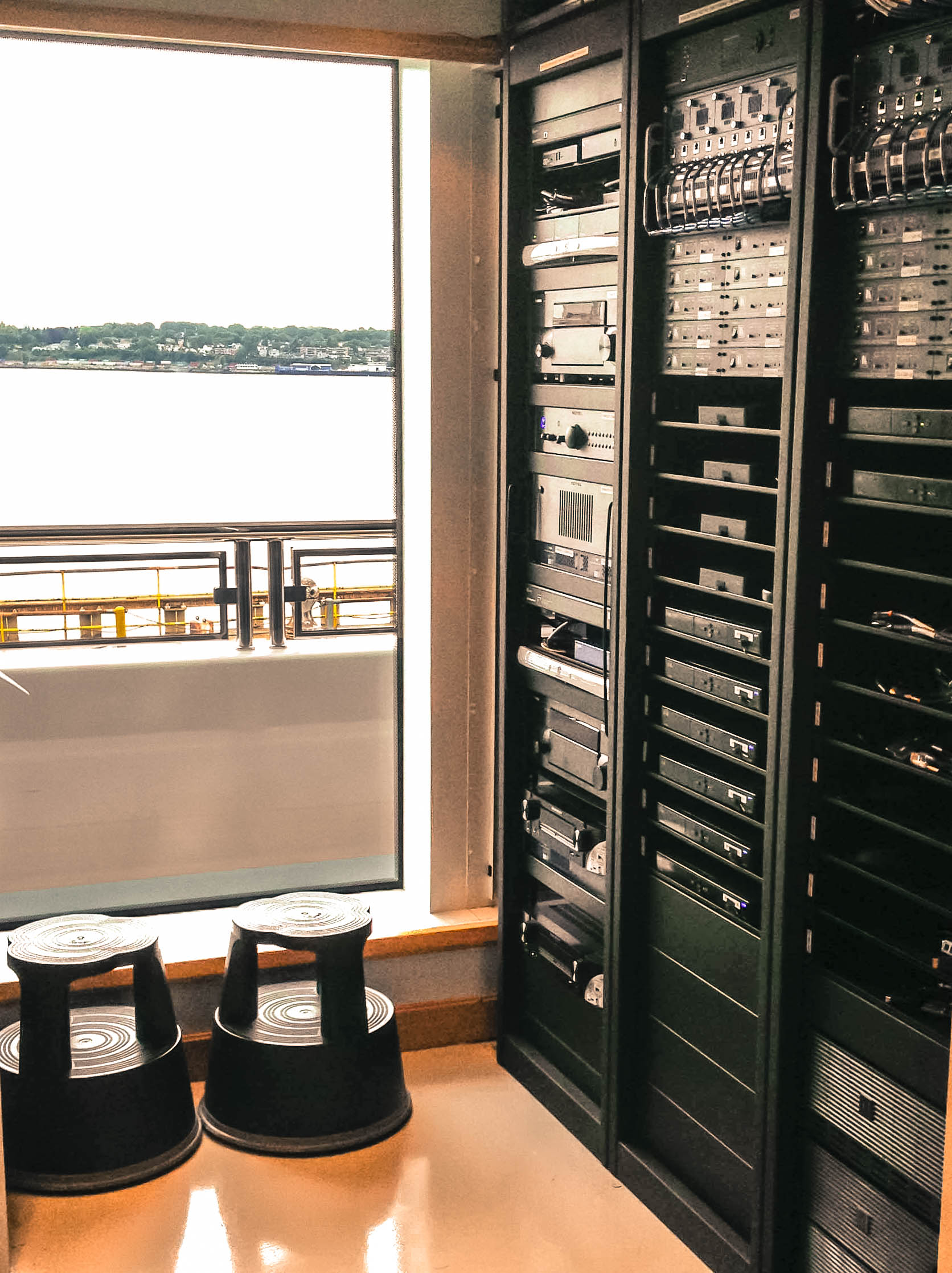

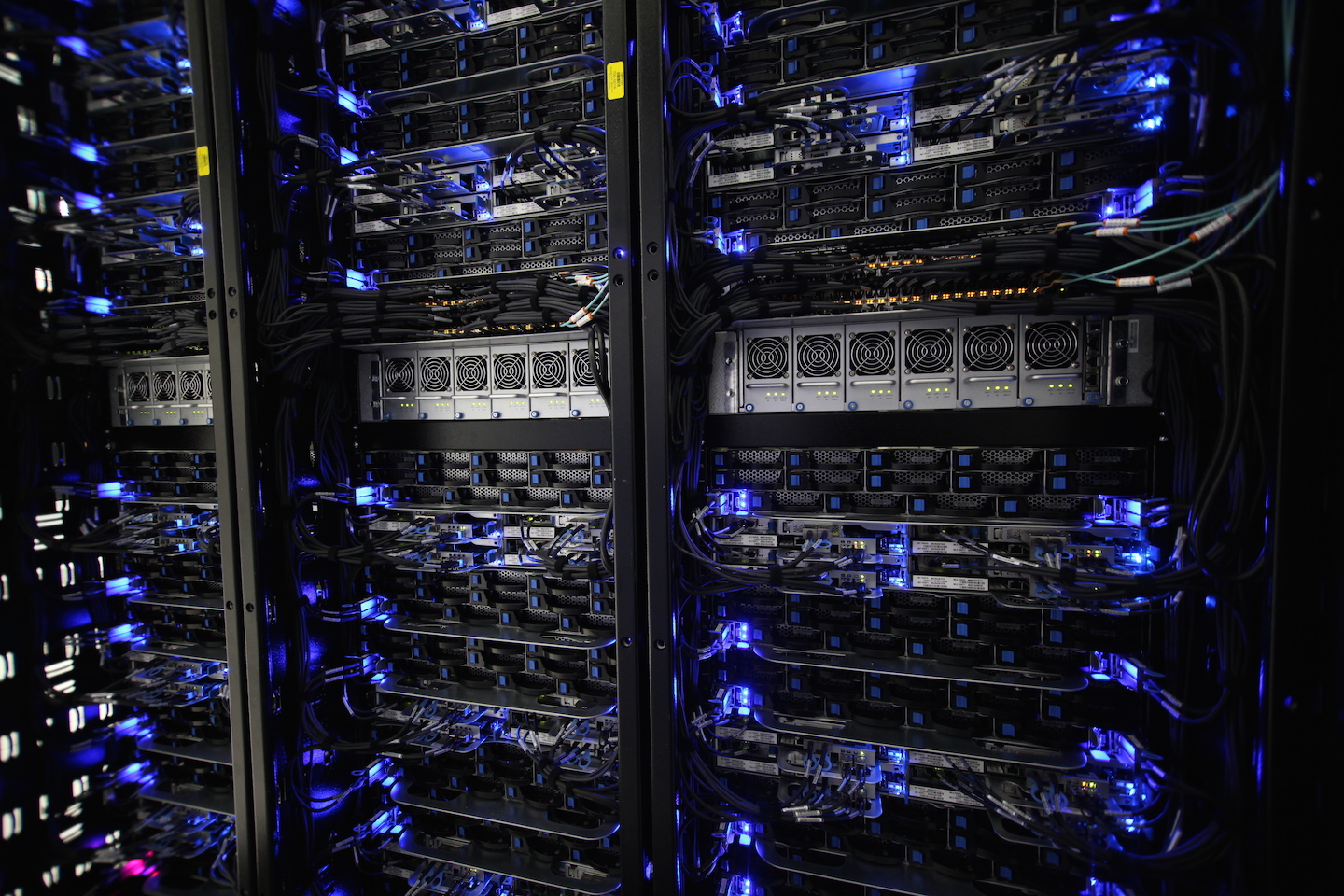


Some integrators leave it neat for the photo.
We leave it neat for the next decade.
The panel closes once. It opens many times after. We install for the opening — for the engineer, the captain, and the owner who will be living with the system long after the install crew has gone.